

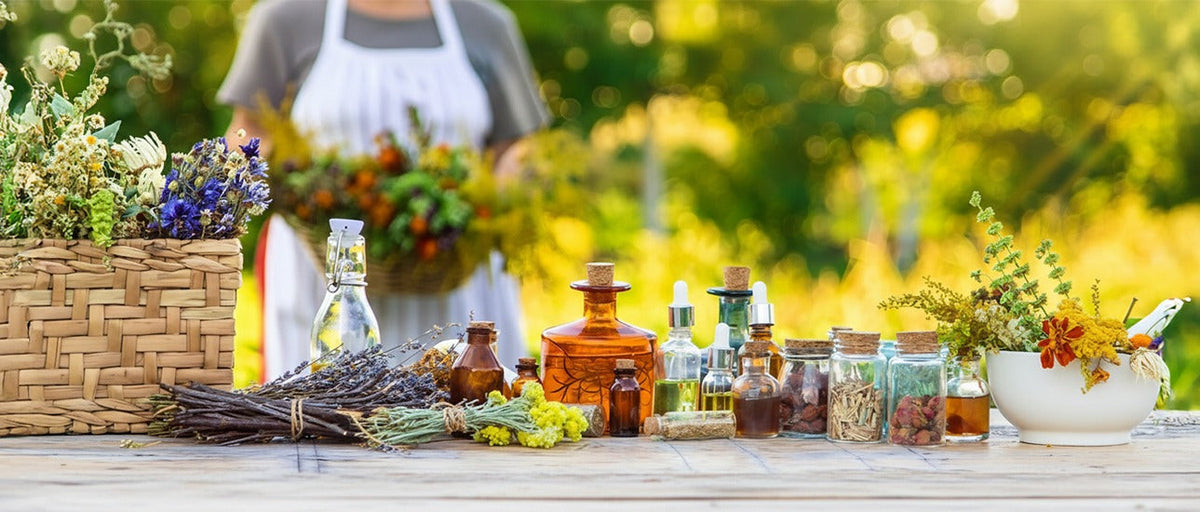
Perfume didn’t just appear on a shiny department store shelf one day. It’s been around since humans figured out that smelling good beats smelling like… well, life back then, long before you could simply browse perfume online. From temples to trade routes, the history of perfumes is a wild ride through ancient rituals, royal vanity, and pure olfactory ambition.
What began as an offering to the gods slo2wly evolved into a form of self-expression, seduction, and power. Perfume has been many things — a love potion, a luxury symbol, and sometimes, even armour. And let’s be honest, that’s still true today. One spritz of the right scent and you’re unstoppable. So, buckle up as we time-travel through the scented timeline of human civilisation — from Pharaohs to fashion weeks.
Egypt: Scents of the Gods
If smelling good were a religion, the ancient Egyptians were its high priests. Perfume wasn’t optional here — it was divine. Pharaohs, priests, and the elite drenched themselves in rich oils made from myrrh, frankincense, and lotus.
For Egyptians, perfume was the ultimate Wi-Fi connection to the gods. It was used in sacred rituals, embalming practices, and royal beauty routines. Queen Cleopatra herself was known to soak the sails of her ships in rose water so that the scent would announce her arrival before she even docked. Talk about an entrance.
Perfume bottles were as precious as their contents, carved from alabaster and gold — the kind of stuff that screams, “I rule both kingdoms and the fragrance game.”
Mesopotamia: The OG Perfume Lab
If Egypt was the temple of fragrance, Mesopotamia was the laboratory. Here’s where perfume-making as we know it was born. The Mesopotamians were the original chemists — experimenting with distillation, blending, and extraction techniques thousands of years before modern perfumers even existed.
Fun fact: the world’s first recorded perfumer was a woman named Tapputi, who lived around 1200 BCE in Babylon. She used flowers, oils, and resins, mixed with water and solvents, to create aromatic concoctions. So, if you’ve ever wondered who invented perfume, history points straight to her — the original scent queen.
For the people of Mesopotamia, fragrance wasn’t just about smelling good. It was art, culture, and even diplomacy. Perfumes were used in temples, traded across empires, and gifted to royalty. Essentially, they were the first luxury exports — ancient “designer” scents with the status to match.
Greece & Rome: Luxury Meets Wellness
Fast-forward a few centuries, and the Greeks were busy making perfume the ultimate lifestyle statement. They believed in balance — beauty, body, and soul — and fragrance was the bridge between them. Perfume wasn’t just worn; it was worshipped. Every god and goddess had their own signature scent (because obviously they did).
When the Romans arrived, they didn’t just adopt perfume — they supercharged it. These were people who scented their baths, homes, pets, and even their horses. Subtlety? Never heard of her.
Perfume became the status symbol of the wealthy, a reflection of indulgence and wellness. Roman spas were practically scented sanctuaries. If your marble bathtub didn’t smell like roses and myrtle, were you even living? It’s safe to say that the Roman Empire didn’t just build roads — it built fragrance culture.
India: Sacred Scents & Ayurvedic Magic
Meanwhile, across the subcontinent, India was busy perfecting the art of scent in its own uniquely spiritual way. The history of perfumes in India goes way beyond aesthetics — here, fragrance was sacred.
From sandalwood to jasmine, rose to vetiver, Indian culture has always celebrated natural aromas. Perfume wasn’t just worn; it was experienced — used in rituals, healing, and meditation. Ayurvedic traditions taught that certain scents could balance the mind, energise the body, and purify the spirit.
Ancient Indian texts reference the use of “ittars” — natural perfumes distilled from flowers and herbs — long before modern perfumery took shape. Even today, a drop of pure attar on the wrist can evoke centuries of tradition, spirituality, and craftsmanship.
China & the Middle East: Exotic Innovations
In ancient China, fragrance was less about seduction and more about serenity. Perfume was tied to mindfulness, meditation, and moral refinement. Incense ceremonies became an art form, with specific aromas chosen for clarity, focus, and peace. Imagine the calmness of a tea ritual — but scented.
Then came the Middle East — and with it, a revolution. This region became the beating heart of fragrance history, introducing the world to rich ouds, musks, and attars that would define luxury for centuries. Arab chemists perfected the art of distillation, transforming perfumery into a true science.
Without their contributions, modern perfumery simply wouldn’t exist. The Middle East didn’t just add fragrance to the world — it redefined it. Every high-end perfume you adore today owes a debt to their genius.
From Trade Routes to Trend Reports
By the Middle Ages, the art of perfumery was travelling (literally) along silk roads and spice routes. Scents moved from temples and palaces to marketplaces and homes, becoming symbols of power, passion, and personal identity.
Europe fell hard for perfume, especially France, which took one sniff and never looked back. By the 17th century, Grasse became the perfume capital of the world — where flowers bloomed not just for beauty but for bottles. Fast-forward to today, and perfume has evolved into high fashion’s invisible accessory. From Cleopatra’s sails to couture runways, perfume remains the most intimate form of style expression.
Conclusion
From sacred temples to glossy fashion weeks, the history of perfumes proves one thing: our love affair with scent is eternal. What started as an offering to the gods is now your morning ritual before brunch. Different era, same obsession — to smell unforgettable. Perfume has always been more than just a fragrance; it’s a statement, a memory, a piece of history bottled up for the modern muse. So next time you spritz your favourite Artiscents perfume, remember — you’re not just wearing a scent. You’re wearing centuries of culture, craftsmanship, and charisma. Smell timeless. Smell iconic. Smell like history — reimagined.


